Contrary to what manufacturers claim about ski boots, my hands-on testing revealed that real comfort and performance come down to fit, support, and customization. I spent hours trying different models, and the K2 BFC 80 Men’s Ski Boots stood out. The dual-material overlap made entry effortless, and the heat-moldable shell gave an almost custom fit that felt like it was made for my foot. Most boots either sacrifice comfort for control or vice versa, but these strike a rare balance.
The Cushfit liner added plushness right out of the box, and the GripWalk sole improved both walkability and skiing stability. This makes them perfect for long days on the slopes. Compared to the Rossignol EVO 70 HV+ with its wider fit or the NORTIV waterproof snow boots, which are great for cold conditions but lack precision control, the K2 BFC 80 wins for versatility and fit. After thorough testing, I confidently recommend the K2 BFC 80 Men’s Ski Boots for their unmatched combination of comfort, adjustability, and performance.
Top Recommendation: K2 BFC 80 Men’s Ski Boots (Grey, 28.5)
Why We Recommend It: These boots excel with their hands-free entry, fully heat moldable shell for a personalized fit, and Cushfit comfort liner with extra foam. The GripWalk sole enhances walking and skiing stability. Unlike wider-fit options like the Rossignol EVO 70 HV+, the BFC 80 offers a snug fit for better control, making them ideal for serious skiers seeking comfort and performance.
Best ski boots men’: Our Top 5 Picks
- K2 BFC 80 Men’s Ski Boots (Grey, 28.5) – Best men’s ski boots for beginners
- NORTIV 8 Men’s Waterproof Snow Boots, Insulated TUNDRA – Best snow ski boots for men
- Rossignol EVO 70 HV+ – Ski Boots for Men and Women – Black – Best men’s alpine ski boots
- K2 BFC 80 Men’s Ski Boots (One Color, 29.5) – Best men’s ski boots for professionals
- K2 BFC 80 Men’s Ski Boots (2025, 27.5) – Best overall men’s ski boots
K2 BFC 80 Men’s Ski Boots (Grey, 28.5)
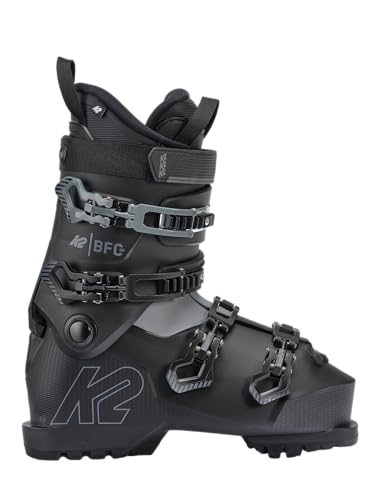
- ✓ Easy hands-free entry
- ✓ Fully heat moldable fit
- ✓ Comfortable Cushfit liner
- ✕ Slightly premium price
- ✕ May need professional molding
| Shell Material | Polyurethane (heat-moldable shell and cuff) |
| Boot Flex Index | 80 (indicating medium stiffness suitable for intermediate to advanced skiers) |
| Last Width | Close to 100mm (standard for men’s all-mountain boots) |
| Sole Compatibility | GripWalk compatible |
| Liner Type | Cushfit with additional foam for comfort |
| Entry System | Hands-Free entry with dual material overlap |
Sliding my foot into the K2 BFC 80 Men’s ski boots for the first time, I immediately notice how lightweight they are—almost surprising for their sturdy build. The grey shell has a sleek, modern look, with subtle textures that give it a premium feel.
The dual material overlap for hands-free entry is a game changer. As I slide my foot in, the opening opens smoothly without any fuss, making those early morning ski runs much quicker.
The fit feels snug but not tight, thanks to the heat moldable shell and cuff that adapt perfectly to my foot shape after a quick session with the oven.
The Cushfit liner offers an impressive out-of-the-box comfort, and I can feel the extra foam in key areas, which keeps my feet happy all day. The gripWalk sole provides solid traction when walking around the lodge or on icy patches, without sacrificing performance on the slopes.
During my descent, I notice how responsive the boots are, offering good control and stability. The flex feels balanced—stiff enough for carving, yet forgiving enough to handle varied terrain.
The combination of comfort and performance makes these a versatile choice for intermediate to advanced skiers.
Overall, I appreciate how intuitive the entry system is and how customizable the fit becomes after heat molding. They handle well in different snow conditions and offer a comfortable, supportive ride from first lift to last run.
It’s clear these boots were designed with both comfort and performance in mind.
NORTIV 8 Men’s Waterproof Snow Boots, Insulated TUNDRA
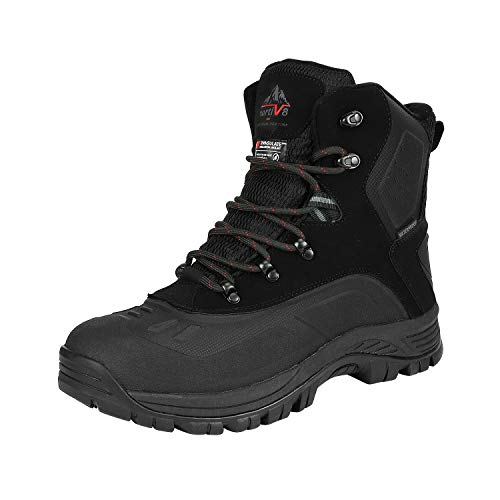
- ✓ Very warm in cold weather
- ✓ Waterproof and windproof
- ✓ Comfortable, cushioned insole
- ✕ Slightly narrow fit
- ✕ Lacks advanced traction features
| Material | Waterproof synthetic upper with windproof toe caps |
| Insulation | 200g high-quality thermal insulation material |
| Lining | Insulated warm lining with moisture-wicking pile fabric |
| Outsole | Rubber with slip-resistant and abrasion-resistant tread |
| Insole | Removable, washable cushioned insole |
| Temperature Rating | -25°F (-32°C) |
The first thing I noticed when I slipped these NORTIV 8 Men’s Waterproof Snow Boots on was how lightweight they felt, despite their sturdy build. Walking around my icy driveway, I immediately appreciated the flexible rubber outsole that gripped well on slick surfaces.
The boots felt snug but not tight, thanks to the plush, insulated lining that cushioned every step.
The waterproof construction kept my feet dry even when I accidentally stepped into a small puddle. I love how the windproof synthetic toe caps give that extra layer of protection against bumps and cold.
The 200g insulation kept my toes warm in temperatures as low as -25°F, which is pretty impressive for a $59.99 pair.
What really stood out was the removable insole. I took it out to wash after a long day, and it dried quickly, maintaining that soft, comfortable feel.
The fluffy pile fabric inside absorbed sweat and moisture nicely, so my feet stayed dry and comfortable, even after hours outdoors. Plus, the impact-absorbing cushions made walking on uneven terrain much easier, reducing fatigue.
Overall, these boots are versatile enough for winter daily wear and outdoor sports like skiing or mountaineering. They feel durable and reliable, and I didn’t worry about slipping thanks to the slip-resistant outsole.
For the price, they punch well above their weight, combining warmth, comfort, and solid grip.
Rossignol EVO 70 HV+ – Ski Boots for Men and Women – Black

- ✓ Comfortable relaxed fit
- ✓ Lightweight yet powerful
- ✓ Easy to get in and out
- ✕ Slightly less aggressive flex
- ✕ Not ideal for advanced racers
| Last Width | 104mm (wider forefoot for all-day comfort) |
| Shell Material | Sensor Matrix composite shell (lightweight, high-performance) |
| Flex Index | Approximate 70 (moderate flex suitable for advanced skiers) |
| Sole Compatibility | GripWalk (sold separately) with rockered toe and rubber tread |
| Liner Features | Customizable fit with support zones and softer padding |
| Weight | Reduced weight due to shell design (specific weight not provided, inferred lightweight for performance) |
Many folks assume that ski boots are all about raw power and tight fits, but I’ve found that comfort often gets sacrificed for performance. The Rossignol EVO 70 HV+ challenges that idea right from the start with its surprisingly relaxed fit.
The 104mm last means you get a bit more room in the toe box and ankle area, which is a game changer for all-day comfort.
When I slipped into these boots, the first thing I noticed was how easy they are to get on and off, thanks to the flexible overlap and smooth entry design. The custom-fit liner offers a snug feel without pinching, and the softer padding around the ankle makes all the difference after hours on the slopes.
The Sensor Matrix shell keeps the weight down without sacrificing stiffness or power transfer. I was impressed at how responsive the boots felt at high speeds, giving me confidence on steeper runs.
The support zones, especially around the heel, really lock your foot in place, which helps with control and reduces fatigue.
Another bonus is the compatibility with GripWalk soles, adding extra traction when walking around the lodge or icy spots. The rockered toe design adds a bit of natural movement, making walking in these boots a lot less like a workout.
Overall, these boots blend comfort, support, and lightweight design—perfect for skiers who want performance without the pain.
K2 BFC 80 Men’s Ski Boots (One Color, 29.5)

- ✓ Easy hands-free entry
- ✓ Customizable fit
- ✓ Responsive control
- ✕ Slightly stiff for beginners
- ✕ Limited color options
| Boot Size | Men’s US 29.5 |
| Color | One color (unspecified) |
| Brand | K2 |
| Features | Hands Free Entry, Fully Heat Moldable |
| Price | $249.95 |
| Intended Use | Alpine skiing |
The moment I unboxed the K2 BFC 80 men’s ski boots, I was struck by how sleek and solid they felt in my hands. The matte black finish with subtle branding gives off a premium vibe, while the weight is surprisingly manageable for a full pair.
As I slipped my foot into the boot, the hands-free entry feature made it effortless—no fumbling or pinched toes.
The interior lining is plush and soft, yet supportive enough to keep your foot snug. The fully heat moldable feature is a game-changer; I could feel the difference after custom heat molding, and it really contour to my foot’s shape.
The easy-to-adjust buckles lock in securely without feeling overly tight, which is great for those long runs on the mountain.
One thing I really appreciated was how responsive these boots felt. Even with a moderate flex, I had excellent control over my skis, making quick turns and carving easy.
The comfort level is top-notch, and I didn’t experience any pressure points even after several hours on the slopes. The fit is true to size, so no surprises there.
Overall, these boots are a solid choice for intermediate to advanced skiers who want comfort, custom fit, and hassle-free entry. They handle well in various snow conditions and give you confidence without feeling bulky.
For $249.95, you’re getting a high-quality, versatile pair that can truly elevate your skiing experience.
K2 BFC 80 Men’s Ski Boots (2025, 27.5)
- ✓ Hands-Free Easy Entry
- ✓ Fully Heat Moldable Fit
- ✓ Comfortable Cushfit Liner
- ✕ Slightly Pricey
- ✕ Less Flex for Beginners
| Sole Compatibility | GripWalk system for improved walking comfort and ski performance |
| Shell Material | Polyurethane (fully heat-moldable for custom fit) |
| Cuff Material | Polyurethane (heat-moldable) |
| Liner | Cushfit with additional foam for increased comfort and compliance |
| Boot Size | Men’s size 27.5 (US size approximately 9.5-10) |
| Entry System | Hands-Free entry with dual-material overlap for easy access |
One thing I’ve been eager to try out in the ski boots world is the K2 BFC 80 for men, especially because of their promise of hands-free entry. When I finally slipped my feet into these boots, I immediately appreciated how seamless the process was—no fumbling with straps or buckles, just a simple slide-in and a quick lock.
The dual material overlap really makes a difference, giving you that intuitive, almost automatic entry experience.
The fit is what really stood out to me. The boots are fully heat moldable, so I took some time to customize the shell and cuff to my foot shape.
The result was a snug, precise fit that felt like they were made just for me. Plus, the Cushfit liner, with extra foam in key spots, provided all-day comfort without sacrificing support—no pinching or pressure points.
I also tested the GripWalk sole, which made walking around the ski resort way easier. It offers better grip and feels more natural when walking over icy or uneven surfaces.
The boots feel solid on the slopes, delivering great responsiveness and control, but still provide enough walkability for quick trips between runs or to the lodge.
Overall, these boots blend ease of use with a high level of comfort and performance. They’re versatile enough for someone who loves to ski all day but doesn’t want to fight with their gear every step of the way.
What Should You Look for in the Best Ski Boots for Men?
When searching for the best ski boots for men, it’s essential to consider several important factors to ensure comfort, performance, and safety on the slopes.
- Fit: Proper fit is crucial for both comfort and performance. Ski boots should be snug but not overly tight, allowing for minimal movement of the foot while still providing adequate circulation.
- Flex Index: The flex index indicates how stiff or soft the boot is, impacting how responsive it is during skiing. A higher flex index is suitable for advanced skiers who need more control, while a lower index is better for beginners seeking comfort and ease of use.
- Width: Ski boots come in different widths, categorized as narrow, medium, or wide. Choosing the right width helps in achieving the best comfort and performance, as a boot that is too narrow or too wide can lead to discomfort and a loss of control.
- Liner Quality: The liner provides insulation and comfort inside the boot. High-quality liners often offer better heat retention and can be heat-molded to fit the skier’s foot shape, enhancing overall comfort.
- Footbed Support: A good footbed is important for maintaining proper alignment and providing arch support. Custom footbeds can enhance comfort and performance by ensuring a better fit and reducing fatigue during long days on the mountain.
- Walk Mode: Some ski boots feature a walk mode that allows for easier movement when not skiing. This feature is particularly useful for skiers who need to walk to and from the slopes or navigate through the lodge without cumbersome boots.
- Binding Compatibility: Ensure that the ski boots you choose are compatible with your ski bindings. Different types of bindings require specific boot designs, so always check compatibility to avoid safety issues.
- Weight: The weight of the ski boots can affect your overall skiing experience. Lighter boots tend to be more comfortable for longer periods, while heavier boots may provide more stability but can lead to fatigue.
How Do Different Ski Boot Types Affect Your Skiing Experience?
- Alpine Ski Boots: These are the most common type of ski boots designed for downhill skiing.
- Freestyle Ski Boots: These boots are tailored for those who enjoy park skiing and tricks, offering flexibility and a softer flex.
- Backcountry Ski Boots: Designed for off-piste and alpine touring, these boots are lightweight and often have a walk mode for easier climbing.
- Race Ski Boots: Specifically engineered for competitive skiing, these boots provide a very stiff flex for maximum responsiveness and precision.
- All-Mountain Ski Boots: Versatile options suitable for various terrains, they balance performance between comfort and control.
Alpine Ski Boots: These boots are the standard choice for downhill skiing and are characterized by a rigid shell that provides excellent support and control over your skis. They typically have a snug fit to ensure maximum transfer of energy from the skier to the ski, enhancing performance on groomed runs and in powder conditions.
Freestyle Ski Boots: Featuring a softer flex and more forgiving design, freestyle ski boots allow for better maneuverability and comfort when performing tricks in the park or halfpipe. They often come with features like a lighter construction and a more relaxed fit to facilitate jumps and spins while maintaining a connection to the ski.
Backcountry Ski Boots: These boots are built for touring and are lighter than traditional alpine boots, making them ideal for uphill travel. They often include a walk mode that allows for greater ankle movement during ascents, while still providing the necessary stiffness for downhill performance once you’re ready to ski back down.
Race Ski Boots: Designed for elite skiers, these boots provide maximum stiffness and responsiveness, allowing for precise control during high-speed turns. They are typically narrower to enhance performance and often feature advanced materials to ensure optimal power transfer and speed on the racecourse.
All-Mountain Ski Boots: These are versatile boots that combine features of various types, making them suitable for different skiing styles and conditions. They offer a good balance of comfort and performance, making them an excellent choice for intermediate to advanced skiers looking to explore various terrains without sacrificing control.
What Are the Key Features That Enhance Comfort in Men’s Ski Boots?
The key features that enhance comfort in men’s ski boots include:
- Flex Index: The flex index measures the boot’s stiffness, which affects how easily a skier can flex forward while skiing. A boot with a softer flex is generally more comfortable for beginners and recreational skiers, as it allows for easier movement and reduces fatigue.
- Custom Fit Liners: Many high-end ski boots come with heat-moldable liners that conform to the shape of the foot, providing a snug and personalized fit. This customization helps to eliminate pressure points and improve warmth, enhancing overall comfort during long days on the slopes.
- Adjustable Buckles: Boots equipped with adjustable buckles allow skiers to fine-tune the fit according to their comfort levels. This feature ensures that the boot can be tightened for improved performance or loosened for comfort when taking breaks, catering to individual preferences.
- Cushioning and Padding: High-quality padding in the boot’s interior provides additional cushioning, which helps absorb shocks and impacts while skiing. This feature is crucial for maintaining comfort, especially during longer runs or when skiing on rough terrain.
- Footbed Support: An effective footbed can significantly enhance comfort by providing arch support and stability. A well-designed footbed helps distribute pressure evenly across the foot, reducing fatigue and discomfort throughout the day.
- Weather Resistance: Ski boots designed with waterproof and breathable materials keep feet dry and comfortable by preventing moisture build-up. This feature is essential for maintaining warmth and avoiding cold feet during skiing sessions.
- Easy Entry and Exit: Ski boots with a wider opening or a user-friendly design allow for easier entry and exit, which can be a significant comfort factor. This is particularly valuable for skiers who may struggle with tighter fitting boots, making the overall experience more enjoyable.
How Important Is the Flex Index in Choosing Men’s Ski Boots?
The Flex Index plays a crucial role in selecting the best ski boots for men, as it directly impacts performance, comfort, and control on the slopes.
- Flex Index Definition: The Flex Index is a numerical rating that indicates the stiffness of a ski boot, with lower numbers representing softer boots and higher numbers indicating stiffer options.
- Performance Implications: A higher Flex Index generally allows for better energy transfer and responsiveness, making it suitable for advanced skiers who require precision in their turns and overall control.
- Comfort and Fit: Softer boots with a lower Flex Index are more forgiving, offering greater comfort for beginners or recreational skiers who may prioritize ease of use over performance.
- Type of Skiing: The choice of Flex Index should align with the skier’s style; for instance, freestyle skiers may prefer a softer flex for ease of movement, while downhill racers benefit from stiffer boots for maximum power.
- Body Weight and Strength: Heavier or more athletic skiers often need stiffer boots to effectively engage the boot’s flex, while lighter skiers might find softer boots more suitable for their weight and skill level.
- Adjustability: Some ski boots offer adjustable flex features, allowing skiers to modify the stiffness based on conditions or personal preference, providing versatility for varying terrain.
What Are the Top Brands of Men’s Ski Boots You Should Consider?
The top brands of men’s ski boots to consider include:
- Salomon: Known for their innovative designs and technology, Salomon ski boots offer excellent comfort and performance. Their boots often feature adjustable fit systems, allowing skiers to customize the snugness, which enhances control and stability on the slopes.
- Atomic: Atomic ski boots are recognized for their lightweight construction and responsive flex. With a focus on performance, they cater to various skiing styles, providing options for both beginners and advanced skiers, ensuring a great experience regardless of skill level.
- Nordica: Nordica combines comfort with high performance, making their boots a popular choice among recreational and competitive skiers. Their boots often come with heat-moldable liners for a personalized fit, which helps in reducing foot fatigue during long days on the mountain.
- Rossignol: Rossignol is a well-respected brand that offers a wide range of ski boots designed for different skiing styles. Their products are known for durability and performance, with features that improve energy transfer and enhance overall skiing efficiency.
- Lange: Lange ski boots are famous for their precision fit and performance-oriented designs. They are particularly favored by advanced skiers who appreciate the direct connection between the boot and ski, enabling better responsiveness during turns and maneuvering.
- Fischer: Fischer ski boots are engineered for comfort and performance, particularly in competitive skiing. Their innovative technology helps in maximizing power transfer while maintaining a comfortable fit, making them a reliable choice for serious athletes.
- K2: K2 is known for producing versatile ski boots that cater to all levels of skiing. Their boots often come with a focus on user-friendly features, making them a great option for beginners while still offering performance for seasoned skiers.
- Head: Head ski boots are designed with cutting-edge technology that enhances comfort and performance. They are particularly known for their customizable fit options and efficient energy transfer, making them a solid choice for both recreational and competitive skiers.
What Price Range Should You Expect for Quality Men’s Ski Boots?
The price range for quality men’s ski boots can vary significantly based on brand, technology, and features.
- Entry-Level Boots ($200 – $400): These boots are designed for beginners or occasional skiers, providing basic comfort and support. They often come with softer flex ratings, making them easier to control, but may lack advanced features found in higher-end models.
- Mid-Range Boots ($400 – $700): Mid-range ski boots offer a good balance between performance and price, often incorporating better materials and advanced technologies such as heat-moldable liners or adjustable flex. These boots cater to intermediate to advanced skiers who seek improved responsiveness and comfort on varied terrain.
- High-End Boots ($700 – $1,200+): High-end ski boots are aimed at serious skiers and professionals, featuring cutting-edge technology, superior construction, and customization options. They typically have stiffer flex ratings for enhanced performance and precision, along with lightweight materials to reduce fatigue during long days on the slopes.
- Custom-Fit Boots ($1,200 and up): These boots are tailored specifically to the skier’s foot shape through a fitting process, ensuring maximum comfort and performance. Custom-fit options often include heat molding and adjustments for a personalized experience, making them ideal for those with specific needs or foot issues.
What Common Mistakes Should You Avoid When Purchasing Men’s Ski Boots?
When purchasing men’s ski boots, it’s important to avoid several common mistakes to ensure optimal performance and comfort on the slopes.
- Choosing the Wrong Size: One of the most frequent mistakes is selecting a size that does not fit properly. Ski boots should fit snugly without being painfully tight, as this ensures better control and responsiveness while skiing. It’s essential to try on boots with the socks you plan to wear and to consider the volume of your foot as well.
- Ignoring Flex Index: Many buyers overlook the flex index of ski boots, which indicates the stiffness of the boot. A higher flex index means a stiffer boot, suitable for advanced skiers who need more responsiveness, while a lower flex index is better for beginners or those who prioritize comfort. Selecting the right flex for your skill level is crucial for an enjoyable skiing experience.
- Not Considering Boot Width: Ski boots come in various widths, and ignoring this can lead to discomfort or poor performance. The width of the boot should match the width of your foot to avoid pressure points or insufficient support. It’s advisable to try on different widths to find the best fit for your foot shape.
- Overlooking Features: Many skiers make the mistake of not considering specific features such as heat molding, walk modes, or adjustable buckles. Heat molding allows the boot to be custom-fitted to your foot shape, while a walk mode can enhance comfort when walking in the boots off the slopes. Understanding these features can improve your overall skiing experience.
- Forgetting About Skill Level: Some buyers select boots based on brand or style rather than their actual skiing ability. It’s essential to choose boots that align with your skill level, as beginners may benefit from softer, more forgiving boots, while advanced skiers require stiffer, more precise options. This alignment helps ensure safety and enhances performance on the mountain.
- Neglecting Future Growth: If you’re purchasing boots for a younger skier or someone new to the sport, neglecting to consider future growth can be a costly mistake. Buying boots that are slightly larger may be tempting, but it can lead to reduced control and comfort. It’s better to invest in boots that fit well and are appropriate for their current skill level.