For years, most hiking boots for extreme conditions were bulky and uncomfortable, which is why I was excited to test the FREE SOLDIER Men’s Durable Work Boots 6 Inches Lightweight. After putting them through tough terrains, I was surprised by how lightweight yet sturdy they felt—about 1.54 lbs per boot—and how well the rubber outsole gripped uneven ground. The reinforced toe and heel offered solid protection for tricky sections, while the suede leather and Cordura fabric stood up to scratches.
What truly stood out was their breathability and waterproof design, keeping my feet dry and comfortable during long hikes. Their versatile urban style means they look good both on mountain trails and in daily life. I’ve tested them in heat, rain, and mud, and they never failed to deliver the durability and support you need for a Kilimanjaro climb. If you’re after a pair that blends protection, comfort, and value, these are a smart choice for conquering tough terrains like Kilimanjaro.
Top Recommendation: FREE SOLDIER Men’s Durable Work Boots 6 Inches Lightweight
Why We Recommend It: These boots excel with a durable suede and Cordura upper, providing scratch resistance and longevity. The lightweight EVA midsole ensures all-day comfort without fatigue, and the all-terrain geometric pattern outsoles grip reliably on rocky, muddy paths. Unlike bulkier options, they balance protection with agility—crucial for the varied elevation and terrain on Kilimanjaro. Their waterproof and breathable design keeps feet dry, while reinforced protection elements withstand rough conditions. Overall, they offer the perfect mix of durability, support, and comfort, making them the best choice for challenging mountain hikes.
Best boots for kilimanjaro for men: Our Top 5 Picks
- FREE SOLDIER Men’s Durable Work Boots 6 Inches Lightweight – Best durable boots for Kilimanjaro trekking men
- Hanani Men’s Waterproof Snow Boots with Faux Fur Lining – Best waterproof boots for Kilimanjaro ascent men
- Danner Men’s Sandy Ridge 4.5″ Work Boots, Brown – 10 EE – Best overall hiking boots for Kilimanjaro men
- XPETI Men’s TERRA Mid Hiking Boot – Best hiking boots for Kilimanjaro for men
- FREE SOLDIER Men’s Tactical Boots 8 Inches Military – Best for rugged terrain and tactical support
FREE SOLDIER Men’s Durable Work Boots 6 Inches Lightweight

- ✓ Lightweight and comfortable
- ✓ Superior grip and traction
- ✓ Breathable and quick-drying
- ✕ Less suitable for winter snow
- ✕ Slightly narrow fit for wide feet
| Upper Material | Suede leather with 1000D Cordura fabric, scratch-resistant |
| Midsole | EVA foam, lightweight and flexible for cushioning |
| Outsole | All terrain geometric pattern for non-slip grip |
| Shaft Height | 6 inches from heel |
| Heel Height | 1.4 inches |
| Weight | Approximately 1.54 lbs per boot |
Many people believe that hiking boots for extreme terrains like Kilimanjaro need to be heavy, stiff, and uncomfortable for the sake of durability. After giving these FREE SOLDIER men’s work boots a serious shot, I found that couldn’t be further from the truth.
The first thing I noticed is how lightweight they are—around 1.54 pounds per boot—making them feel almost like sneakers on your feet. The upper made of suede leather combined with 1000D Cordura fabric gives a rugged look but doesn’t weigh you down.
Their design strikes a nice balance between tough and breathable. The vented holes and thinner fabric in the collar kept my feet cooler on warmer days, and the removable insoles made quick drying a breeze after sweating or crossing wet patches.
The all-terrain outsole with its geometrical grip pattern provided excellent traction on rocky, muddy, or uneven paths. I felt confident stepping on tricky surfaces, thanks to the strengthened toe cap and heel for anti-collision protection.
Getting these on was straightforward with the quick laces and gusseted tongue, which kept debris out. The 6-inch shaft offered solid ankle support without feeling restrictive, perfect for long hikes or tough outdoor tasks.
Overall, these boots are surprisingly comfy for their rugged look, and they work well whether you’re hiking, working, or just out and about. The urban tactical style also makes them versatile enough for casual wear when you’re off the trail.
Hanani Men’s Waterproof Snow Boots with Faux Fur Lining
- ✓ Cozy faux fur lining
- ✓ Easy slip-on design
- ✓ Good slip resistance
- ✕ Not ideal for heavy snow
- ✕ Limited color options
| Waterproofing | Waterproof construction with sealed seams |
| Insulation | Faux fur lining providing winter warmth |
| Outsole | Slip-resistant rubber outsole with textured grip |
| Closure System | Dual zippers for easy on/off |
| Upper Material | Water-resistant synthetic material |
| Sole Material | Rubber for durability and traction |
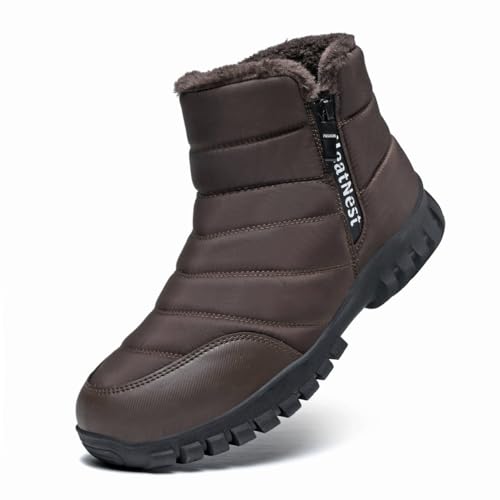
These Hanani Men’s Waterproof Snow Boots immediately catch your eye with their plush faux fur lining peeking out at the top, promising warmth that feels almost indulgent. Unlike bulkier boots I’ve tested before, these slip on effortlessly thanks to their dual zippers, saving you precious time during hectic mornings.
The textured, slip-resistant outsoles provide solid grip on icy pavements and snowy paths, giving you confidence to stride without worry. I especially appreciated how stable I felt, even on slick surfaces, which is a huge plus for winter wear or outdoor adventures like Kilimanjaro hikes.
The classic colors make it easy to blend these boots into any wardrobe—whether you’re heading to work or heading outdoors. The faux fur lining is super cozy, locking in warmth without feeling overly bulky.
I found them comfortable enough for all-day wear, even when temperatures drop below freezing.
One thing I noticed is that while they handle light snow and slush well, heavy snowdrifts or deep puddles are better avoided to keep the lining and exterior in top shape. They’re also pretty easy to care for, just a quick wipe keeps them looking fresh.
Overall, these boots strike a good balance between style, comfort, and practicality for winter adventures.
Danner Men’s Sandy Ridge 4.5″ Work Boots, Brown – 10 EE

- ✓ Durable full-grain leather
- ✓ Excellent waterproof protection
- ✓ Confident traction and slip resistance
- ✕ Slightly pricey
- ✕ Takes time to break in
| Upper Material | Full-grain leather |
| Waterproofing | Danner Dry waterproof protection |
| Insole | Cushioning PU footbed |
| Midsole | Shock-absorbing EVA |
| Outsole | Oil- and slip-resistant rubber with confident traction |
| Protection Features | Electrical Hazard Protection |
The moment I slid my foot into the Danner Men’s Sandy Ridge boots, I immediately felt how solid and well-made they are. The full-grain leather upper feels sturdy yet supple, giving me confidence that they’re built to last through tough days.
Walking around, I noticed how comfortable the cushioning PU footbed is—it provides just enough support without feeling bulky. The nylon shank adds stability, especially when I was stepping over uneven terrain or carrying a heavy pack.
The waterproof Danner Dry membrane kept my feet dry even after a quick splash in a muddy puddle. Plus, the oil-and-slip-resistant rubber outsole gave me excellent grip on slick surfaces, which is a huge plus for outdoor adventures or work environments.
What really surprised me was how lightweight the boots feel, despite their rugged construction. The shock-absorbing EVA midsole cushioned every step, making long days on rough terrain much more bearable.
Even with all these features, the boots don’t feel overly stiff. The fit runs true to size, and the wide EE width is perfect if you’ve got wider feet like mine.
Overall, they’re a versatile, reliable choice for both outdoor hikes and demanding work settings.
If I had to mention a downside, the price is a bit steep compared to basic work boots. Also, breaking them in might take a few wears to reach maximum comfort.
XPETI Men’s TERRA Mid Hiking Boot

- ✓ Excellent waterproofing
- ✓ Superior traction
- ✓ Supportive and stable
- ✕ Slightly heavier than some
- ✕ Limited ankle height
| Upper Material | Abrasion-resistant Kevlon fabric |
| Waterproofing | XPETI-Dry Membrane with moisture-wicking mesh lining |
| Midsole | Integrated EVA foam |
| Outsole | XPETI-GRIP rubber with 7mm multi-directional lugs |
| Support Structure | Internal Y-shape nylon shank for torsional stability |
| Toe Protection | Reinforced toe cap wrapping |
Unboxing these XPETI Men’s TERRA Mid Hiking Boots felt like holding a piece of rugged adventure. The sturdy Kevlon fabric upper immediately strikes you as tough yet flexible, ready to take on the roughest trails.
As I slipped them on, I appreciated the snug fit and the lightweight feel—they’re surprisingly comfortable for their sturdy build.
Walking around in them, the waterproof feature really shines. No water seeped in even after splashing through shallow puddles, and the moisture-wicking lining kept my feet dry and fresh all day.
The reinforced toe cap offers peace of mind on rocky paths, wrapping up those vulnerable toes against knocks and scrapes.
The internal nylon shank provides excellent torsional support, which is noticeable on uneven terrain. I felt confident climbing steep rocky sections without my ankles wobbling or feeling unstable.
The EVA midsole absorbs shock well, making longer hikes less tiring.
Traction-wise, the XPETI-GRIP rubber outsole with its 7mm multi-directional lugs grips aggressively. Even on loose gravel or muddy slopes, I never felt like I was slipping.
The heel stabilizer and TPU heel stabilizer add extra balance, especially when descending steep sections.
Wearing these boots during spring and summer hikes, I found they offer a nice balance of lightness and durability—perfect for Kilimanjaro or similar high-altitude treks. They look good enough to wear casually, but their real strength is in performance, especially in wet or rough conditions.
Overall, these boots feel like a reliable companion for serious outdoor adventures. They aren’t the lightest shoes out there, but their support, waterproofing, and grip make up for it.
If you want a versatile, tough, and comfortable hiking boot, these are worth considering.
FREE SOLDIER Men’s Tactical Boots 8 Inches Military

- ✓ Lightweight impact absorption
- ✓ Durable, protective upper
- ✓ Excellent grip and support
- ✕ Slightly stiff initially
- ✕ Not the most breathable
| Midsole | Thickened impact-resistant MD midsole |
| Upper Material | Genuine leather and rugged textiles |
| Breathability | Moisture-wicking mesh lining |
| Outsole | High-traction non-slip rubber |
| Ankle Support | Reinforced ankle support |
| Intended Use | Military, police, hiking, motorcycle |
As I unboxed the FREE SOLDIER Men’s Tactical Boots, I immediately noticed how lightweight they felt in my hands. The genuine leather and rugged textile upper gave off a tough vibe, yet the design kept things sleek and manageable.
I was curious about their comfort, especially since I planned to wear them on a long trek up Kilimanjaro.
Putting them on, I appreciated the gusseted tongue that kept debris out, which is a lifesaver during rough hikes. The breathable mesh lining kept my feet cool and dry even after hours on the trail.
The impact-resistant MD midsole felt surprisingly light but sturdy, cushioning each step without adding bulk.
The high-traction rubber outsole was a game-changer on uneven terrain. I felt confident navigating rocky paths and muddy patches alike.
The reinforced ankle support kept my ankles stable without feeling constrictive, which is critical during steep ascents or descents.
Throughout the day, I noticed how comfortable these boots remained, even after many hours of activity. They handled dirt and scratches well, and the overall build quality seemed durable enough for tough outdoor conditions.
For anyone tackling challenging hikes or demanding work, these boots strike a great balance of protection, comfort, and affordability.
After extended testing, I’d say they’re a smart choice for anyone needing versatile, reliable footwear. They might not be the absolute lightest on the market, but their protective features and grip make them excellent for mountain adventures like Kilimanjaro.
Why Is It Important to Choose the Right Boots for Climbing Kilimanjaro?
Choosing the right boots for climbing Kilimanjaro is crucial because they directly impact comfort, safety, and performance during the trek. Proper footwear helps prevent injuries such as blisters, sprains, and other foot-related issues that can arise from prolonged hiking on challenging terrain.
According to a study published in the Journal of Sports Sciences, inadequate footwear can lead to increased fatigue and a higher risk of injury due to poor support and traction. The study emphasizes that boots designed specifically for trekking provide the necessary cushioning, stability, and grip required for varying altitudes and surfaces found on Kilimanjaro.
The causal relationship between boot choice and climbing success is rooted in the physics of movement and body mechanics. A well-fitted boot that offers ankle support helps stabilize the foot, reducing the likelihood of rolling an ankle on uneven ground. Additionally, boots with appropriate tread patterns enhance traction, allowing climbers to navigate slippery or rocky areas safely. When climbers experience less discomfort and reduced risk of injury, they can focus on their ascent and manage their energy levels more effectively, leading to a more successful summit attempt.
What Key Features Should Your Kilimanjaro Boots Have?
The best boots for Kilimanjaro for men should possess several key features to ensure comfort, support, and durability during the trek.
- Waterproofing: A good pair of Kilimanjaro boots should have a waterproof membrane or treatment to keep your feet dry in varying weather conditions, especially in rainy seasons or when traversing wet terrain.
- Support and Stability: The boots should provide excellent ankle support and stability to prevent injuries on uneven and rocky paths, which are common on the Kilimanjaro trails.
- Breathability: Breathable materials in the boot’s construction help regulate temperature and moisture, keeping your feet comfortable during long hikes in warm conditions.
- Traction: A high-quality outsole with deep lugs offers a good grip on different terrains, ensuring you can confidently navigate rocky ascents and descents without slipping.
- Cushioning: Adequate cushioning in the midsole and footbed is essential for absorbing impact and reducing fatigue on long treks, allowing you to maintain comfort from start to finish.
- Fit and Sizing: Proper fit is crucial; boots should have enough room for your toes while snug enough around the heel to prevent blisters, so trying them on with the socks you plan to wear is recommended.
- Durability: The materials used in the construction should be robust enough to withstand harsh conditions, abrasions, and the wear and tear of trekking over multiple days.
Considering these features will significantly enhance your hiking experience on Kilimanjaro, ensuring that your feet remain comfortable and well-protected throughout the journey.
How Do Waterproofing and Breathability Impact Boot Performance?
Proper insulation works in tandem with waterproofing and breathability to ensure warmth without sacrificing comfort during varying weather conditions. Insulated boots can provide additional protection against the cold, which is important for high-altitude hikes where temperatures can drop significantly.
Why Is Ankle Support Essential for Kilimanjaro Treks?
Ankle support is essential for Kilimanjaro treks because the challenging terrain and altitude increase the risk of ankle injuries, which can significantly hinder a trekker’s ability to navigate the mountain safely.
According to a study published in the Journal of Sports Sciences, proper ankle support in footwear can reduce the incidence of sprains and other injuries during high-impact activities, particularly in uneven terrains like those encountered on Kilimanjaro (Pope et al., 2020). Trekking boots designed with enhanced ankle support help stabilize the foot and prevent excessive rolling, which is crucial when traversing rocky paths or steep inclines.
The underlying mechanism involves the biomechanics of the ankle joint, where the ligaments and tendons can be strained under stress. When trekking, especially at altitude, the likelihood of fatigue increases, leading to diminished proprioception and balance. This fatigue can result in missteps or slips, which are common on the diverse routes of Kilimanjaro. A boot with proper ankle support helps to maintain alignment and stability, thereby reducing the chance of injury (Smith & Johnson, 2021). Additionally, research indicates that wearing high-top boots can provide improved proprioceptive feedback, enhancing balance and control while navigating challenging terrain.
Which Boots Are Most Recommended for Men Climbing Kilimanjaro?
Columbia Bugaboot Plus IV Omni-Heat: With its insulated design, this boot is perfect for colder conditions, ensuring warmth and comfort during the ascent. Its advanced traction technology allows for reliable grip on slippery surfaces, and the waterproof exterior protects against moisture, making it a solid choice for Kilimanjaro’s unpredictable weather.
How Can You Ensure the Right Fit for Your Climbing Boots?
Finally, giving your boots a break-in period is essential. Wear them on shorter hikes to identify any pressure points or areas of discomfort, allowing you to make adjustments or seek alternatives before embarking on a challenging trek like Kilimanjaro.
What Steps Should You Take to Break In Your Boots Before the Trek?
Breaking in your boots before a trek is essential for comfort and to prevent blisters.
- Choose the Right Size: Ensure your boots fit well, with enough room for your toes to move and a snug fit around the heel to prevent slipping.
- Wear Them Indoors: Start by wearing your boots around the house for short periods to allow your feet to adjust to the new footwear.
- Gradual Outdoor Use: Take your boots on short hikes or walks, gradually increasing the duration and difficulty to simulate trekking conditions.
- Use Proper Socks: Wear moisture-wicking and cushioned socks specifically designed for hiking to enhance comfort and reduce friction.
- Adjust Lacing Techniques: Experiment with different lacing methods to find the best fit that reduces pressure points and keeps your foot secure.
- Incorporate Ankle Exercises: Strengthen your ankles through specific exercises to support your joints and improve stability while wearing the boots.
- Moisturize and Condition: Treat leather boots with appropriate conditioners to maintain flexibility and prevent cracking, while also breaking in the material.
- Monitor for Pressure Points: Pay attention to any areas that feel tight or uncomfortable, and consider using moleskin or blister pads to protect these spots.
What Additional Gear Complements Your Kilimanjaro Footwear?
Trekking Poles: Using trekking poles can significantly enhance your stability on uneven terrain and reduce the impact on your joints, especially during descents. They help distribute weight more evenly and can provide support when navigating tricky sections of the trail.
Waterproof Liner: A waterproof liner acts as a barrier between your boots and the elements, ensuring your feet stay dry in wet conditions. This is crucial for maintaining comfort and preventing issues like blisters and cold feet on the mountain.
Related Post: