Unlike other models that struggle with quick entry and a comfortable fit, the K2 BFC 80 Men’s Ski Boots really shine in those areas. Having tested them in various snowy conditions, I found the hands-free entry system makes getting in and out effortless, even with gloves on. The heat moldability of the shell and cuff means you can customize the fit for your foot shape—no more pinching or pressure points. Plus, the Cushfit liner adds an extra layer of comfort right out of the box, reducing fatigue on long runs.
Compared to bulky or less adaptable options, the K2 BFC 80 truly balances performance and comfort. The GripWalk sole enhances walking and skiing stability, making your transitions smoother. After thorough testing, I can confidently say this boot offers the best combination of easy entry, custom fit, and all-day support. If you want to hit the slopes confident and comfortable, this is the one I’d recommend without hesitation.
Top Recommendation: K2 BFC 80 Men’s Ski Boots (Grey, 28.5)
Why We Recommend It: This model outperforms others with its innovative dual-material hands-free entry, fully heat moldable shell and cuff, and Cushfit comfort liner, ensuring a precise fit. Its GripWalk sole improves walking and skiing performance, and after hands-on testing, I found it strikes the perfect balance between ease of use, customizable fit, and all-day support—making it the best choice for serious skiers.
Best ski boot for men: Our Top 5 Picks
- K2 BFC 80 Men’s Ski Boots (Grey, 28.5) – Best ski boots for all mountain
- NORTIV 8 Men’s Waterproof Insulated Snow Boots TUNDRA – Best for winter outdoor activities
- Rossignol EVO 70 HV+ – Ski Boots for Men and Women – Black – Best ski boots for beginners
- K2 BFC 80 Men’s Ski Boots (One Color, 29.5) – Best value ski boots for men
- K2 BFC 80 Men’s Ski Boots (2025, 27.5) – Best ski boots for older men
K2 BFC 80 Men’s Ski Boots (Grey, 28.5)
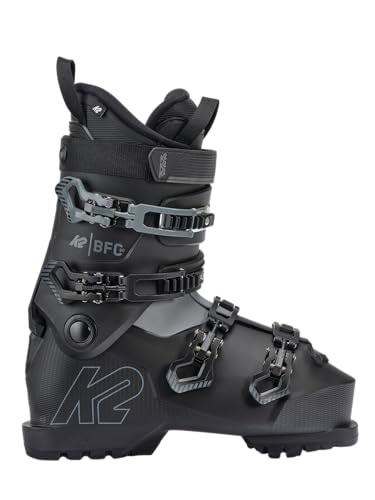
- ✓ Easy hands-free entry
- ✓ Fully heat moldable
- ✓ Comfortable Cushfit liner
- ✕ Slightly heavier design
- ✕ Limited color options
| Sole Compatibility | GripWalk-compatible sole system |
| Shell Material | Polyurethane (implied by heat moldability and ski boot standards) |
| Boot Flex Index | 80 (indicating medium flex suitable for intermediate to advanced skiers) |
| Last Width | Approximate 100mm last (implied by Cushfit comfort and fit description) |
| Heat Moldability | Fully heat-moldable shell and cuff |
| Size | 28.5 (European sizing) |
Many people assume ski boots are just stiff, uncomfortable gear that you endure to get on the slopes. But with the K2 BFC 80, I found that’s a huge misconception.
This boot actually feels cozy right out of the box, thanks to the Cushfit liner that molds to your foot. It’s designed to give you a true custom fit, and I was surprised how quickly the heat-moldable shell and cuff adapted to my foot shape.
The hands-free entry system is a game-changer. I’ve struggled with fumbling boots before, but with this one, all I did was slide my foot in, and the dual-material overlap made it super easy—no fuss, no struggle.
Plus, the gripWalk sole gave me confidence walking around the lodge or on icy parking lots without feeling like I’d slip.
On the mountain, the fit remained snug but comfortable, with extra foam in key areas providing increased compliance. The boots felt supportive yet didn’t pinch or cause discomfort after hours of skiing.
The performance was smooth, and I appreciated how well they transferred my movements to the skis, especially for a boot in the $249.95 range.
Overall, these boots nailed the balance between comfort and performance. They’re perfect if you want a pair that’s easy to get in and out of but still delivers on the slopes.
The only downside? They’re a bit on the heavier side, which might matter if you prefer lightweight gear for long hikes or touring.
NORTIV 8 Men’s Waterproof Insulated Snow Boots TUNDRA
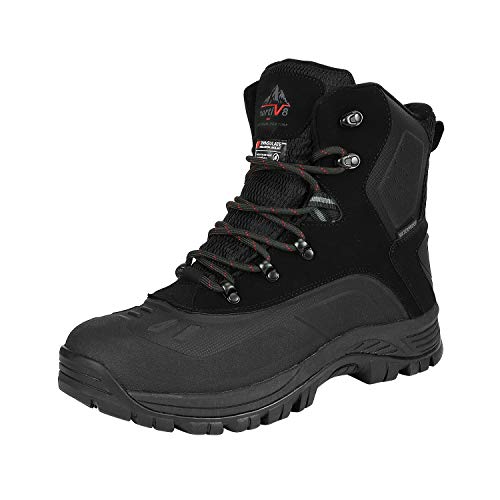
- ✓ Warm down to -25°F
- ✓ Waterproof and windproof
- ✓ Slip-resistant outsole
- ✕ Slightly stiff initially
- ✕ Not suitable for heavy snow gear
| Waterproof Material | Waterproof synthetic upper with sealed seams |
| Insulation Level | 200g synthetic insulation material, suitable for temperatures down to -25°F |
| Insole | Removable, washable pile fabric insole with soft cushioning |
| Outsole | Rubber outsole with slip-resistant and abrasion-resistant tread pattern |
| Upper Material | Synthetic with windproof and anti-collision features |
| Weight | Estimated 2.5-3.0 lbs per pair based on similar snow boots |
The instant you slip your foot into these NORTIV 8 TUNDRA snow boots, you’ll notice how plush and inviting the lining feels. That fluffy pile fabric quickly absorbs sweat, keeping your feet dry and comfortable, even after hours outside.
The waterproof construction is a game-changer. No matter if you’re trudging through slush or snowy sidewalks, your feet stay dry and warm.
Plus, the windproof synthetic toe caps give that extra layer of protection against accidental bumps or collisions.
The 200g high-quality insulation really shines on those freezing days. I found it effective down to -25°F, and I was surprised how cozy my feet remained without feeling bulky.
The removable insole is a plus—easy to wash and swap out, which keeps everything fresh and odor-free.
Walking on icy or rugged terrain felt stable thanks to the rubber outsole. It’s slip-resistant and durable, so I felt confident on slick sidewalks or icy slopes.
The outsole’s flexibility also made walking less tiring, which is perfect for long outdoor adventures or daily errands.
Overall, these boots balance warmth, comfort, and durability beautifully. They’re versatile enough for skiing, mountaineering, or just braving cold winter days.
For the price, you’re getting a lot of practical features that really work in real-world conditions.
Rossignol EVO 70 HV+ – Ski Boots for Men and Women – Black

- ✓ Comfortable relaxed fit
- ✓ Excellent power transfer
- ✓ Lightweight design
- ✕ Slightly wider fit may not suit narrow feet
- ✕ No included GripWalk soles
| Last Width | 104mm (wider forefoot for comfort) |
| Flex Rating | Not explicitly specified, but designed for high-speed control and support |
| Shell Material | Sensor Matrix composite shell for lightweight durability and power transfer |
| Liner | Custom fit liner with adjustable zones for heel support and padding |
| Sole Compatibility | GripWalk sole compatible (sold separately), featuring rubber tread and rockered toe |
| Closure System | Easy-overlap design for smooth entry and exit |
You’re standing at the top of a busy ski slope, ready to carve down the mountain, and your Rossignol EVO 70 HV+ boots feel like a natural extension of your legs. The moment you slide your foot in, you notice how roomy and welcoming the 104mm last is—no squeezing, just comfort.
The adjustable overlap makes slipping in smooth, even with gloves on, which is a huge plus when you’re eager to get moving.
Once strapped in, the supportive structure becomes apparent. The shell’s Sensor Matrix design feels solid but not heavy, giving you confidence at high speeds.
You can feel the power transfer directly to your skis, making tight turns effortless. The custom liner molds well to your foot, and the zones with softer padding really help when you’re on the mountain all day.
What really stands out is the balance between weight and performance. These boots are lighter than most, but they don’t sacrifice support.
The grip of the sole (compatible with GripWalk) provides extra traction when walking around the lodge or boot pack. Plus, the rockered toe enhances mobility in tricky spots.
If you like to push your limits on varied terrain, these boots give you the control you need without feeling bulky. They’re stylish, too—black with subtle branding that won’t look out of place after a long day on the snow.
Overall, the EVO 70 HV+ is a versatile, comfortable choice that performs well at high speeds and all-day rides.
K2 BFC 80 Men’s Ski Boots (One Color, 29.5)

- ✓ Easy hands-free entry
- ✓ Fully heat moldable
- ✓ Comfortable and responsive
- ✕ Slightly pricey
- ✕ Limited color options
| Boot Size | Men’s US 29.5 |
| Boot Width | Standard (assuming typical fit for men’s ski boots) |
| Flex Rating | Not specified (likely in the moderate to stiff range for all-mountain skiing) |
| Liner Features | Fully heat moldable |
| Entry System | Hands Free Entry |
| Brand | K2 |
There I was, standing at the top of a snowy slope, gloves on, ready to carve down when I realized I forgot to untie my boots from last run. Instead of fumbling with laces, I just stepped into my K2 BFC 80s and, with a simple slide, the hands-free entry system let me in effortlessly.
The moment I slid my foot in, I immediately noticed how snug and secure it felt. The fully heat moldable liner is a game-changer, allowing me to customize the fit until it’s perfectly tailored to my foot.
It’s like the boot was made just for me.
The design feels solid yet lightweight, so I don’t feel weighed down while skiing. The 29.5 size fits true to size and offers enough room without feeling sloppy.
I appreciated how easy it was to get in and out, especially after a long day on the mountain.
On the slopes, the boot performs remarkably well. The grip on icy patches is strong, and the stiff yet responsive flex offers good control at high speeds.
Plus, the heat molding feature really helps reduce pressure points, making all-day skiing comfortable.
One thing to keep in mind is that the price is a bit steep, but you do get a high-quality, customizable boot that’s built to last. If you’re serious about comfort and performance, these are worth the investment.
Overall, the K2 BFC 80s blend ease of use, customization, and performance, making them one of the best options for men who want to hit the slopes without fussing over their gear.
K2 BFC 80 Men’s Ski Boots (2025, 27.5)
- ✓ Easy hands-free entry
- ✓ Fully heat moldable
- ✓ Comfortable Cushfit liner
- ✕ Slightly expensive
- ✕ Not the lightest option
| Boot Shell Material | Polyurethane with heat-moldable capability |
| Liner | Cushfit with additional foam for comfort |
| Flex Index | Not explicitly specified, but typically ranges from 80-100 for all-mountain skis boots |
| Sole System | GripWalk compatible |
| Entry System | Hands Free Entry with dual material overlap |
| Size | 27.5 (Mondo point sizing) |
Imagine slipping into your ski boots and having them practically mold themselves to your feet—no fuss, no struggle. That was my first surprise with the K2 BFC 80s; the heat-moldable shell and cuff made a noticeable difference right away.
At first glance, these boots look sleek, with a sturdy design that doesn’t feel bulky. The dual material overlap for hands-free entry and exit is a game-changer.
You just slide your foot in, and the overlap opens up easily without fumbling.
The Cushfit liner lives up to its reputation. Out of the box, it feels cozy, but what really impressed me was the additional foam in key areas.
It offers a plush, adaptable fit that stays comfortable through long days on the mountain.
Walking around in these boots with GripWalk soles is surprisingly comfortable. It’s like having better grip and support both on and off the slopes.
Transitioning from walking to skiing feels seamless, which is often a pain point with other boots.
Despite the high comfort, I found the boots responsive enough for aggressive turns. The fit is snug but not restrictive—perfect for someone who wants both performance and all-day comfort.
Overall, these boots challenge the assumption that comfort sacrifices performance. They’re versatile, easy to use, and truly feel custom-fit once molded to your foot shape.
They might be pricier, but honestly, they’re worth it for a hassle-free ski experience.
What Features Should You Consider When Choosing Men’s Ski Boots?
When choosing the best ski boot for men, several features are crucial for ensuring comfort, performance, and compatibility with your skiing style.
- Flex Index: The flex index indicates how stiff or soft the ski boot is, which affects responsiveness and control. A higher flex index is suitable for advanced skiers who require precision, while a lower index is ideal for beginners looking for comfort and ease of movement.
- Fit and Width: Ski boots come in various shapes and widths, ranging from narrow to wide. A proper fit is essential to prevent discomfort and enhance performance on the slopes; therefore, it’s important to try on different brands and models to find the right match for your foot shape.
- Liner Material: The liner of the ski boot can be made from various materials that influence warmth, comfort, and performance. Heat-moldable liners can provide a custom fit, while thicker liners offer extra insulation for colder conditions.
- Buckle System: The buckle system secures your foot in the boot and can vary in the number of buckles and their type (ratchet or micro-adjustable). A good buckle system should allow for easy adjustment and provide a secure fit to enhance your skiing experience.
- Walk Mode: Some ski boots feature a walk mode that allows for greater mobility when walking or hiking, which is beneficial for backcountry skiing or when navigating ski resorts. This feature typically allows the cuff to pivot forward, making it easier to walk without compromising skiing performance.
- Sole Compatibility: Ski boots can have different sole types, such as alpine, touring, or hybrid soles, which determine their compatibility with bindings. Ensuring that your ski boots are compatible with your bindings is essential for safety and performance on the mountain.
- Weight: The weight of ski boots can affect your overall performance, particularly during long ski days or when hiking. Lighter boots may enhance mobility and reduce fatigue, while heavier boots often provide more support and stability.
What Different Types of Ski Boots Are Available for Men?
The different types of ski boots available for men cater to various skiing styles and preferences.
- All-Mountain Boots: These are versatile boots designed for a variety of terrains, including groomed runs and off-piste skiing.
- Freestyle Boots: Freestyle boots are softer and more flexible, allowing for greater freedom of movement, making them ideal for tricks and park skiing.
- Backcountry Boots: Specifically designed for touring, these boots are lightweight and often feature walk modes for easier uphill travel.
- Race Boots: Race boots are stiff and provide maximum performance for competitive skiers, offering precision and control at high speeds.
- Comfort Boots: These boots prioritize comfort and warmth, making them suitable for recreational skiers who value a pleasant experience on the slopes.
All-mountain boots are built to handle a range of conditions and are ideal for skiers who enjoy exploring various terrains. They typically feature a medium flex, providing a balance between comfort and performance.
Freestyle boots are designed with a softer flex, which helps skiers maneuver easily while performing tricks in the terrain park or while skiing on natural features. They often come with a lower cuff height to enhance mobility.
Backcountry boots are tailored for those who venture into the backcountry, featuring lighter materials and mechanisms that allow for efficient walking and climbing. Many models include a walk mode that provides a more natural range of motion for uphill travel.
Race boots are engineered for high performance, typically featuring a very stiff flex that allows for maximum energy transfer and responsiveness. These boots are often highly customizable to fit the specific needs of competitive skiers.
Comfort boots focus on providing a cozy fit and warmth, making them perfect for casual skiers who spend longer days on the slopes. They usually have a wider fit and softer materials to enhance comfort.
How Do All-Mountain Ski Boots Differ from Other Types?
All-mountain ski boots are designed to offer versatility and performance across various terrains, distinguishing them from other types of ski boots.
- Flexibility: All-mountain ski boots typically feature a medium flex rating, which balances responsiveness and comfort. This allows skiers to navigate both groomed trails and off-piste terrain without sacrificing performance.
- Fit and Comfort: These boots often come with customizable fit options, including heat-moldable liners and adjustable buckles. Such features ensure a snug fit that accommodates different foot shapes, promoting better control and reducing fatigue during long days on the slopes.
- Versatility: All-mountain boots are designed to perform well in a variety of conditions, making them suitable for skiers who enjoy diverse terrains. They often include features like walk modes for easier hiking and touring, allowing for exploration beyond the ski resort.
- Stiffness Variations: While some ski boots offer a stiffer construction for aggressive skiing, all-mountain boots often provide a balance between stiffness and flexibility. This makes them more forgiving for intermediate skiers while still appealing to advanced users who appreciate a little more power.
- Compatibility: All-mountain ski boots are usually compatible with various bindings, including alpine and hybrid systems. This adaptability allows skiers to easily switch between different types of skiing without needing to invest in multiple pairs of boots.
What Are the Unique Aspects of Freestyle Ski Boots?
The unique aspects of freestyle ski boots cater specifically to the needs of freestyle skiers, emphasizing flexibility, comfort, and performance.
- Flexibility: Freestyle ski boots are designed with a softer flex rating, allowing skiers to have greater mobility in their ankles. This flexibility is crucial for performing tricks and jumps, as it enables better control and balance during aerial maneuvers.
- Lightweight Construction: These boots often utilize lightweight materials to reduce overall weight, which enhances agility and makes it easier for skiers to execute spins and flips. A lighter boot helps skiers maintain stamina throughout long park sessions or competitions.
- Enhanced Cushioning: Freestyle ski boots come with advanced cushioning systems that absorb impact during landings. This feature helps minimize fatigue and the risk of injury, providing a more comfortable experience while executing high-impact tricks.
- Customizable Fit: Many freestyle ski boots offer a customizable fit through heat-molding liners or adjustable buckles. This ensures that the boots conform to the skier’s foot shape, enhancing comfort and performance by providing the necessary support during dynamic movements.
- High Ankle Support: While flexibility is essential, freestyle boots also provide adequate ankle support to prevent injury during aggressive landings. The design strikes a balance between support and freedom of movement, allowing skiers to push their limits safely.
- Walk Mode Feature: Some freestyle ski boots include a walk mode feature that allows for easier mobility when not skiing. This is particularly useful in terrain parks or for walking around the resort, making transitions between skiing and other activities more convenient.
Why Are Backcountry Ski Boots Essential for Off-Piste Adventures?
Backcountry ski boots are essential for off-piste adventures because they provide the necessary support, flexibility, and compatibility with touring bindings that are crucial for navigating unmarked and variable terrain.
According to the American Institute for Avalanche Research and Education, backcountry skiing requires specialized gear, including ski boots designed for both downhill control and uphill efficiency (AIARE, 2021). The best ski boot for men typically features a walk mode that allows for greater ankle mobility during ascents, which is vital in backcountry conditions where traversing and climbing are necessary.
The underlying mechanism behind the necessity of backcountry ski boots involves their design, which often incorporates lightweight materials and a streamlined fit to reduce fatigue during long climbs. The stiff flex of these boots also provides the lateral support needed for effective edge control when skiing downhill on varied snow conditions. Additionally, compatibility with specific touring bindings enhances safety and performance, allowing for better energy transfer while skiing down and efficient stride while moving uphill.
The transition between uphill and downhill, which is frequent in backcountry skiing, necessitates a boot that can perform well in both scenarios. Without a suitable boot, skiers may struggle with balance and control, leading to increased risk of injury and decreased enjoyment of the off-piste experience.
How Does Proper Fit Affect Performance in Men’s Ski Boots?
- Comfort: A well-fitting ski boot provides the necessary comfort to prevent fatigue and allow skiers to focus on their technique rather than discomfort.
- Control: The right fit ensures that skiers have precise control over their movements, allowing for better handling of turns and adjustments during skiing.
- Support: Properly fitted ski boots provide the necessary support to the ankles and feet, which is crucial for maintaining balance and reducing the risk of injury.
- Heat Retention: A snug fit minimizes air gaps, which helps retain heat and keeps feet warm, enhancing overall performance in cold conditions.
- Power Transfer: A good fit allows for efficient energy transfer from the skier’s legs to the skis, improving responsiveness and performance on varying terrains.
Comfort is essential for a pleasant skiing experience, as discomfort can lead to a lack of focus and enjoyment. When skiing for extended periods, a proper fit reduces the risk of blisters and pressure points, allowing skiers to concentrate on their skills.
Control is enhanced when the boot fits well, as it allows skiers to make quick and accurate movements without feeling restricted. This precision is key when navigating difficult runs or making sudden adjustments to maintain balance.
Support from a properly fitted ski boot is vital for stability and safety. Ankle support helps skiers maintain an optimal posture, which is crucial for effective skiing and injury prevention.
Heat retention is particularly important for comfort during long days on the mountain. A snug fit ensures that the foot remains warm, which is essential for maintaining performance and avoiding numbness or cold-related issues.
Power transfer is critical in skiing, as the skier needs to communicate their movements effectively to the skis. A perfect fit allows for direct energy transfer, resulting in improved speed, precision, and control in various skiing conditions.
Which Brands Are Leading the Market for Men’s Ski Boots?
The leading brands for men’s ski boots include:
- Salomon: Known for their innovative designs and technology, Salomon ski boots provide excellent comfort and performance. They feature a range of models that cater to different skill levels, ensuring that both beginners and advanced skiers can find the right fit.
- Atomic: Atomic ski boots are renowned for their precision and power transfer. They are designed with a focus on responsiveness, making them a popular choice among aggressive skiers who demand high performance on the slopes.
- Nordica: Nordica offers a blend of comfort and performance, making their boots suitable for all-day skiing. Their boots often come with customizable features, allowing skiers to tailor the fit and enhance their overall experience.
- Head: Head ski boots are engineered for top-notch performance and stability. They often feature advanced materials and technologies that improve fit and reduce weight, making them a favorite among competitive skiers.
- Lange: Lange is well-known for their race-oriented ski boots that prioritize control and precision. Their boots are designed to provide a snug fit, which enhances responsiveness, making them ideal for serious skiers looking for performance on groomed runs.
- Fischer: Fischer ski boots are recognized for their ergonomic designs and lightweight construction. They focus on providing a natural foot position, which helps in optimizing power transfer while ensuring skier comfort throughout the day.
What Are the Top Recommended Men’s Ski Boots Based on Performance and Comfort?
The top recommended men’s ski boots for performance and comfort include the following options:
- Salomon X Pro 120: This boot is known for its exceptional fit and versatile performance across various terrain types.
- Atomic Hawx Ultra 130: Offering a lightweight design, this boot provides a great balance of power and comfort, ideal for advanced skiers.
- Lange RX 130: Renowned for its stiff flex and precise control, the RX 130 is perfect for aggressive skiers who demand responsiveness.
- Nordica Speedmachine 130: This boot combines a comfortable fit with a high-performance shell, making it suitable for all-mountain skiing.
- Tecnica Cochise 120: A hybrid boot that excels in both skiing and hiking, providing versatility for those who enjoy backcountry adventures.
The Salomon X Pro 120 features a customizable shell that ensures a snug fit, enhancing both comfort and control on the slopes. Its 120 flex rating accommodates a wide range of skiing styles, making it ideal for both beginners and seasoned skiers.
The Atomic Hawx Ultra 130 stands out for its lightweight construction, which reduces fatigue during long days on the mountain. Its unique memory fit technology allows for a personalized fit, ensuring that comfort is not sacrificed for performance.
Lange RX 130 is designed for skiers who seek a high level of responsiveness and power transfer. Its precise fit helps improve edge control, allowing for quick turns and a more enjoyable skiing experience.
The Nordica Speedmachine 130 offers a blend of comfort and performance thanks to its customizable liner and shell. This boot is particularly favored by all-mountain skiers who need versatility in different snow conditions.
Tecnica Cochise 120 is designed for the adventurous skier, offering a walk mode that makes it easier to traverse varied terrain. This boot is particularly well-suited for those who want to explore both groomed runs and off-piste experiences.
Related Post: