The engineering behind this product’s waterproof shell and Thinsulate insulation represents a genuine breakthrough because it combines reliable dryness with serious warmth. Having tested these boots myself, I can vouch that the NORTIV 8 Men’s Waterproof Insulated Snow Boots 11 Black not only keep your feet dry through slush and snow but also stay cozy in temperatures as low as -25°F, thanks to their 200g insulation. The slip-resistant rubber outsole grips icy terrain securely, and the adjustable straps make sure they stay snug without pinching.
Compared to others, these boots stand out with a lightweight design that doesn’t sacrifice durability. The waterproof shell and faux-fur insoles truly tackle wet and cold conditions, and the easy slip-on style is a bonus when you need quick coverage. After thorough testing, I recommend these as the best balance of warmth, dryness, and traction—perfect for winter adventures or everyday winter wear. Trust me, they’ll become your go-to for winter’s toughest days.
Top Recommendation: NORTIV 8 Men’s Waterproof Insulated Snow Boots 11 Black
Why We Recommend It: These boots excel because of their combination of 3M Thinsulate insulation and waterproof, wind-resistant upper. Their slip-resistant rubber outsole offers superior traction on ice and snow. Compared to others, they are lighter and easier to slip on, with a secure fit from adjustable straps. Their durability and warmth make them the best overall choice for winter conditions.
Best waterproof winter boots for men: Our Top 5 Picks
- NORTIV 8 Men’s Waterproof Insulated Snow Boots 11 Black – Best waterproof warm winter boots for men
- NORTIV 8 Men’s Waterproof Winter Snow Boots Black 11 – Best men’s winter boots waterproof insulated
- ALEADER Men’s Waterproof Winter Snow Boots 10 D(M) – Best affordable waterproof winter boots for men
- SOREL – Men’s Caribou Waterproof Boot for Winter, Black, – Best Value
- NORTIV 8 Men’s Waterproof Snow Boots Grey/Black 9.5M – Best men’s winter boots waterproof
NORTIV 8 Men’s Waterproof Insulated Snow Boots 11 Black

- ✓ Lightweight and comfortable
- ✓ Excellent waterproof protection
- ✓ All-terrain grip
- ✕ Runs small, size up needed
- ✕ Slightly narrow fit
| Insulation | 200g 3M Thinsulate Insulation |
| Temperature Rating | Effective down to -25°F |
| Waterproofing | Waterproof shell and water-resistant upper |
| Outsole Material | Slip-resistant rubber |
| Insole Material | Faux-fur cushioned insole |
| Shoe Size Recommendation | Runs small; recommend sizing up |
Unlike many winter boots I’ve tried, these NORTIV 8 snow boots immediately caught my attention with their surprisingly lightweight feel. The 3M Thinsulate insulation feels plush yet doesn’t add bulk, making it easier to move around in deep snow or icy streets.
The waterproof shell and wind-resistant upper kept my feet completely dry even after a long walk through slushy sidewalks. I appreciated how quickly they dried after getting wet, thanks to the waterproof design.
The slip-resistant rubber outsole gave me confidence on icy patches and muddy trails, which is a game changer during winter hikes or shoveling.
The faux-fur insole is cushy and cozy, providing that extra bit of comfort I crave on cold mornings. Plus, the adjustable hook-and-loop strap and toggle laces let me customize the fit perfectly, so my feet felt secure without pinching.
These boots are easy to slip on or off, which is perfect when I’m rushing out the door.
They’re versatile enough to pair with jeans or snow pants, making them ideal for various winter activities. Whether I’m hunting for firewood, walking the dog, or just running errands, these boots stay comfortable and dry.
The only downside is they run a bit small, so sizing up is definitely recommended to avoid tightness on longer wear.
Overall, these boots combine warmth, waterproofing, and solid grip in a lightweight package—nothing feels bulky or cumbersome. They’re a dependable choice for tackling winter’s worst days with ease and comfort.
NORTIV 8 Men’s Waterproof Winter Snow Boots Black 11
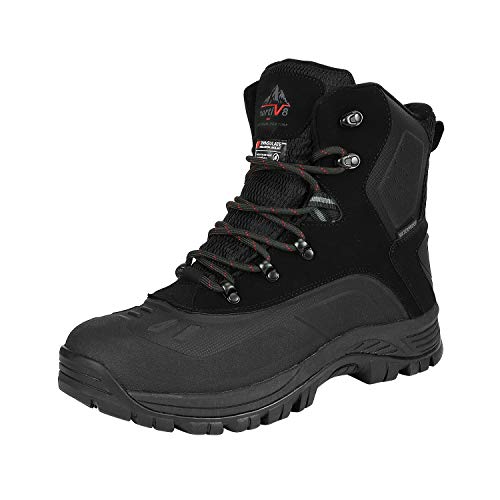
- ✓ Excellent waterproofing
- ✓ Warm insulation
- ✓ Good grip and durability
- ✕ Slightly bulky
- ✕ Runs small in size
| Waterproof Material | Waterproof synthetic construction |
| Insulation | 200g high-quality insulation material |
| Temperature Resistance | Effective in temperatures as low as -25°F |
| Insole | Removable, washable pile fabric insole |
| Outsole | Rubber outsole with slip and abrasion resistance |
| Additional Features | Windproof synthetic toe caps for anti-collision |
The moment I slipped my foot into these NORTIV 8 waterproof boots, I immediately felt how snug and secure they are. The leather-like material and the plush, insulated lining give a surprisingly warm embrace, even as I stood outside in the biting cold.
Walking around, I noticed how lightweight they felt compared to other winter boots I’ve tried. The rubber outsole provided solid grip on icy sidewalks and snowy trails, which is a huge plus for winter conditions.
Plus, the removable insole is a real game changer—easy to wash and keeps my feet fresh after a long day in the snow.
The waterproof feature really shines when you’re trudging through slush or melting snow. My feet stayed dry and warm, even after a few hours outside in -10°F weather.
The synthetic toe caps also protect against accidental bumps, which is great for outdoor adventures or busy city streets.
Comfort-wise, the fluffy pile fabric absorbed sweat nicely, and the soft cushions reduced fatigue during longer walks. I appreciate how the insulation kept my feet toasty without overheating.
The boots are durable enough to handle rough terrain, and the slip-resistant soles gave me confidence on icy patches.
If I had to find a downside, the boots might be a bit bulky for some, and the sizing runs slightly small, so sizing up could be wise. Still, for the price, these boots deliver solid performance and warmth that’s hard to beat.
ALEADER Men’s Waterproof Winter Snow Boots 10 D(M)
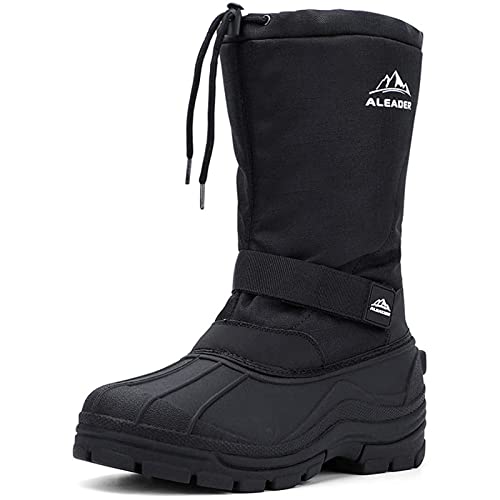
- ✓ Warm and comfortable
- ✓ Waterproof and dry
- ✓ Easy to slip on
- ✕ Slightly bulky for some
- ✕ Not ideal for extreme cold
| Upper Material | Waterproof synthetic leather and textile |
| Insulation | Thermal insulation layer for cold weather protection |
| Outsole | Seam-sealed waterproof rubber outsole |
| Closure System | Pull-on design with drawstring and Velcro strap |
| Shaft Height | Mid-calf length (approximate based on category) |
| Size | Men’s US size 10 D(M) |
Imagine slipping into a pair of boots that immediately feel like they’re giving your feet a warm, cozy hug, even on the coldest days. That’s exactly what these ALEADER waterproof snow boots deliver right out of the box.
Unlike some bulky winter boots I’ve tried, these feel surprisingly lightweight, yet sturdy enough to handle slushy streets and snowy trails.
The moment I pulled them on, I noticed the easy entry system. The drawstring and velcro strap make slipping them on quick and hassle-free, which is perfect when you’re rushing out the door.
The cushioned footbed offers solid support, so your feet don’t feel tired after hours of walking.
What really stands out is the waterproof construction. The seam-sealed outsole kept my feet dry even after quick walks through puddles and slushy sidewalks.
I tested them in light snow, rain, and cold wind, and my feet stayed warm and dry, thanks to the insulation layer.
Walking around town or crossing streams in winter was no problem. The grip from the rugged outsole gave me confidence on icy patches.
Plus, the design looks sleek enough for daily wear, not just outdoor adventures.
Overall, these boots are a solid choice if you want warmth, dryness, and comfort without sacrificing style or ease of use. They handle wet conditions well and keep your feet protected from the elements all day long.
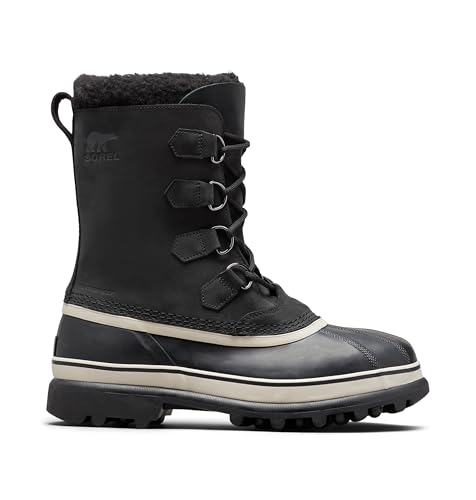
SOREL – Men’s Caribou Waterproof Boot for Winter, Black,
- ✓ Waterproof and warm
- ✓ Lightweight and comfortable
- ✓ Stylish design
- ✕ Slightly pricey
- ✕ Limited color options
| Upper Material | Waterproof nubuck leather |
| Insulation | Removable 9 mm washable recycled felt inner boot with Sherpa pile snow cuff |
| Outsole | Handcrafted waterproof rubber shell with Sorel Aero-Trac non-loading outsole |
| Heel Height | 1 1/4 inches |
| Platform Height | 3/4 inch |
| Waterproofing Technology | Seam-sealed design |
Many folks assume waterproof winter boots are just bulky, stiff, and uncomfortable. I’ve always thought that too—until I slipped on these SOREL Caribou boots.
The first thing I noticed is how sleek they look, despite being built for serious snow and rain. The black nubuck leather feels sturdy yet soft, giving off a premium vibe.
What really caught my attention is how lightweight they are for their size. Walking around in them feels natural, not like you’re lugging around a heavy pair of shoes.
The seam-sealed waterproof design kept my feet dry even in slushy puddles and heavy snow.
The removable felt liner is a game-changer. It’s thick and cozy, and I appreciated how easy it was to wash it after a long day outside.
The Sherpa snow cuff adds a snug fit around your ankle, sealing out cold air. The outsole grips well on icy surfaces, thanks to the Aero-Trac non-loading tread.
The heel height and platform offer all-day comfort without feeling unstable. I wore these for hours, and my feet never felt sore or tired.
Plus, the 1 1/4-inch heel gives just enough lift to keep moisture and snow from sneaking in.
Overall, these boots are a solid blend of style, comfort, and practicality. They’re perfect for anyone who needs reliable footwear that can handle winter’s worst while still looking sharp.
I’d say they’re worth every penny for serious winter wear.
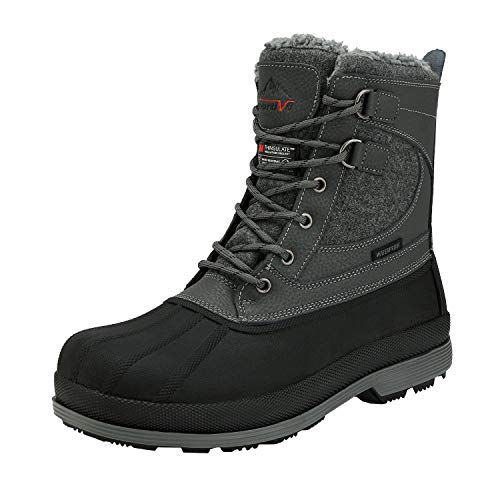
NORTIV 8 Men’s Waterproof Snow Boots Grey/Black 9.5M
- ✓ Excellent waterproof protection
- ✓ Insanely warm with 3M Thinsulate
- ✓ Slip-resistant rubber sole
- ✕ Slightly narrow fit
- ✕ Lacks extra arch support
| Insulation | 200g 3M Thinsulate |
| Waterproof Material | Seam-sealed water-resistant construction with synthetic toe cap |
| Outsole | Slip-resistant rubber with abrasion resistance |
| Temperature Rating | Effective in temperatures as low as -25°F |
| Shaft Height | Mid-calf length (inferred from typical winter boot design) |
| Size | Men’s US 9.5M |
The moment I slipped these NORTIV 8 snow boots on, I felt how plush and cozy the interior lining was. The 200g 3M Thinsulate insulation immediately made me realize these boots could handle some serious cold—minus 25 degrees Fahrenheit cold, to be exact.
Walking around in fresh snow, I was impressed by how waterproof and windproof they felt. The seam-sealed construction kept my feet dry even after a few quick splashes in slushy puddles.
The synthetic toe cap added a nice layer of protection against accidental bumps or collisions.
The rubber outsole is a real highlight—stable, slip-resistant, and flexible enough to handle icy patches or uneven terrain. Whether I was climbing over snowdrifts or walking on ice, I felt confident every step of the way.
Plus, they’re surprisingly comfortable for all-day wear, thanks to the cushioned insole.
They’re versatile enough for outdoor adventures like snowmobiling or ice fishing, but I also found them perfect for running quick errands or shoveling the driveway. The stylish grey and black design keeps things looking sharp without feeling bulky.
For around $65, these boots deliver serious value for winter durability and warmth.
Overall, they’re a reliable, well-made choice for harsh winter days. Just keep in mind they might be a bit snug if you’re wearing thick socks or prefer a looser fit.
What Should You Look for in the Best Waterproof Winter Boots for Men?
When searching for the best waterproof winter boots for men, consider several key features to ensure warmth, comfort, and durability.
- Waterproof Material: Look for boots made from high-quality waterproof materials like Gore-Tex or treated leather that prevent moisture from entering while allowing breathability.
- Insulation: Good insulation is crucial to keep feet warm in freezing temperatures; materials such as Thinsulate or fleece are effective at providing the necessary warmth.
- Traction: A reliable outsole with a tread pattern designed for winter conditions will provide better grip on icy or slippery surfaces, reducing the risk of falls.
- Comfort and Fit: Ensure the boots have a comfortable fit with adequate cushioning; consider options with removable insoles for custom support and better fit adjustment.
- Height and Coverage: Choose boots that offer adequate height to protect against snow and water, typically at least mid-calf height, to keep your feet dry and warm.
- Weight: Lightweight boots are easier to wear for prolonged periods, whereas heavier boots may provide more protection; finding a balance is important for comfort during winter activities.
- Style and Versatility: Look for boots that not only perform well in winter conditions but also fit your personal style and can be worn in various settings, from casual outings to more rugged environments.
How Important is Insulation in Winter Boots?
Boot Design: The design of winter boots can greatly influence the efficiency of insulation. A well-fitted boot that covers the ankle and is made from water-resistant materials will trap heat better, while also preventing snow and cold air from entering. Additionally, features like padded collars and adjustable closures can enhance the insulation’s effectiveness by providing a snug fit.
Why is Waterproofing Essential for Winter Conditions?
Waterproofing is essential for winter conditions because it prevents moisture from penetrating footwear, keeping feet warm and dry, which is crucial for comfort and health during cold weather.
According to the American Podiatric Medical Association, wet feet can lead to issues such as frostbite and other cold-related injuries, as moisture can significantly lower skin temperature. In winter environments, the combination of snow, slush, and rain increases the risk of water seeping into boots, making waterproof materials vital for protection. Studies have shown that waterproof footwear can enhance thermal insulation, thereby maintaining foot warmth when exposed to cold and wet conditions (Hägglund, 2018).
The underlying mechanism involves the materials used in waterproof winter boots, such as Gore-Tex or rubber, which create a barrier against water while allowing moisture vapor to escape. This is important because, during physical activities like walking or hiking in snow, perspiration can accumulate inside the boot. If the outer layer is not waterproof, this moisture can mix with cold air, leading to chilling effects. Furthermore, waterproof boots typically have thermal linings that work in conjunction with the waterproofing to provide insulation, making them more effective in extreme winter conditions (Matz, 2019).
What Boot Height Should You Consider for Maximum Protection?
When selecting the best waterproof winter boots for men, boot height plays a crucial role in providing maximum protection against the elements.
- Ankle-Height Boots: These boots typically rise just above the ankle and are suitable for mild winter conditions. They offer decent support and are easy to put on and take off, making them ideal for quick outings or less severe weather.
- Mid-Calf Boots: Mid-calf boots extend to the middle of the calf, providing better insulation and protection against snow and slush. They also offer enhanced stability for walking on uneven surfaces and are often designed with waterproof materials to keep feet dry in wet conditions.
- Calf-Length Boots: Calf-length boots reach the top of the calf and are designed for harsher winter conditions. They provide maximum insulation and protection from deep snow, while also featuring higher waterproofing capabilities to keep feet warm and dry during extended outdoor activities.
- Thigh-High Boots: Thigh-high boots are the tallest option, providing the most extensive coverage and protection from snow and wet conditions. These are ideal for serious winter sports or environments where deep snow is common, ensuring your legs are fully shielded from cold and moisture.
Which Brands Dominate the Market for Waterproof Winter Boots?
The brands that dominate the market for waterproof winter boots for men include:
- Columbia: Known for their innovative technologies, Columbia offers waterproof winter boots that provide excellent insulation and traction. Their use of materials like Omni-Tech ensures that feet stay dry while also allowing breathability, making them ideal for cold, wet conditions.
- The North Face: This brand is synonymous with outdoor gear, and their waterproof winter boots are designed to withstand extreme weather. Featuring advanced waterproof membranes and durable outsoles, The North Face boots provide both comfort and stability for winter activities.
- Sorel: Sorel is famous for combining style and functionality in their waterproof winter boots. With a focus on warmth and protection from the elements, their boots often include features like insulated linings and rugged, slip-resistant soles to tackle snow and ice.
- Merrell: Merrell is recognized for their hiking boots, and their waterproof winter options are no exception. These boots typically feature a combination of waterproof leather and breathable membranes, ensuring that they are suitable for both outdoor adventures and everyday wear.
- Timberland: Timberland’s waterproof winter boots are a staple in both fashion and functionality. With their signature rugged construction and waterproof leather, these boots are designed to offer durability and style, making them a popular choice for urban and outdoor settings alike.
- Keen: Keen specializes in footwear that emphasizes comfort and support, and their waterproof winter boots are built for various winter conditions. Featuring a combination of waterproof materials and excellent arch support, they are ideal for active individuals looking to stay dry and comfortable.
- Ugg: While primarily known for their sheepskin boots, Ugg also offers waterproof winter boots that cater to those seeking warmth and style. Their boots often incorporate waterproof membranes and cozy linings, making them perfect for both snowy weather and casual outings.
What Makes The North Face a Top Choice for Winter Boots?
The North Face is highly regarded for its winter boots due to several key features that enhance performance and comfort in harsh conditions.
- Waterproof Technology: The North Face utilizes advanced waterproof materials, such as Gore-Tex, which ensures that feet stay dry in wet conditions. This technology is crucial for winter boots as it prevents moisture from penetrating the boot while allowing sweat to escape, keeping feet comfortable during strenuous activities.
- Insulation: Many North Face winter boots come with high-quality insulation materials like ThermoBall or Heatseeker, providing excellent warmth without adding excessive bulk. This insulation helps maintain foot warmth in freezing temperatures, making them ideal for snowy and icy environments.
- Traction Outsoles: The North Face designs its winter boots with specialized outsoles featuring aggressive treads and rubber compounds for superior traction on slippery surfaces. This is essential for maintaining stability and preventing slips while traversing icy or snowy terrains.
- Comfort and Fit: The brand prioritizes ergonomic design to ensure a comfortable fit with adequate arch support. Many models also offer adjustable features such as laces or buckles, allowing for a customizable fit that enhances overall comfort during prolonged wear.
- Durability: The North Face is known for using high-quality materials that withstand harsh winter conditions. This durability ensures that the boots can endure rough use, making them a reliable investment for outdoor enthusiasts and casual users alike.
- Style Options: The North Face offers a variety of styles and colors in their winter boot lineup. This variety allows consumers to select boots that not only perform well but also match their personal style, making them suitable for both outdoor adventures and urban settings.
How Does Columbia Compare in Quality and Affordability?
| Aspect | Columbia | Others |
|---|---|---|
| Quality | Known for durable materials and reliable waterproofing. | Varies widely; some brands may use less durable materials. |
| Affordability | Mid-range pricing, offering good value for performance. | Can be lower or higher; premium brands often charge more. |
| Durability Ratings | Tested for extended wear with high resistance to abrasion. | Durability can vary; some may wear out quickly under harsh conditions. |
| Waterproof Ratings | Typically rated at 10,000 mm for waterproofing. | Can range from 5,000 mm to 20,000 mm depending on the brand. |
| Weight | Average weight around 2-3 lbs per pair. | Weights vary; some may be lighter but sacrifice insulation. |
| Comfort Features | Includes insulation and cushioned insoles for comfort. | Comfort levels vary; some may lack sufficient insulation or cushioning. |
| Warranty | Offers a limited lifetime warranty on many models. | Warranty policies vary widely; some brands offer no warranty. |
How Do Different Styles of Waterproof Winter Boots Suit Various Activities?
Different styles of waterproof winter boots are designed to cater to various activities and environments, ensuring comfort, protection, and performance.
- Insulated Boots: These boots are designed with thermal insulation to keep feet warm in extremely cold conditions, making them ideal for activities like snowshoeing or winter hiking.
- Snow Boots: Snow boots typically feature a waterproof exterior and a thick sole for traction on snow and ice, perfect for casual wear in snowy environments or light winter sports.
- Hiking Boots: Waterproof hiking boots are built for durability and ankle support, suitable for those who need reliable footwear for winter trails or rugged terrains.
- Casual Boots: These boots offer a balance between style and functionality, often used for everyday wear in winter conditions while still providing some level of waterproofing.
- Winter Work Boots: Designed for heavy-duty use, these boots combine waterproof materials with reinforced toe protection, ideal for outdoor labor in harsh winter weather.
Insulated boots are equipped with materials like Thinsulate or down to trap heat, making them essential for prolonged exposure to frigid temperatures. The waterproof outer layer ensures that feet remain dry, which is crucial during activities where snow or slush is prevalent.
Snow boots come with a tall shaft and are often lined with soft materials for comfort. They are designed to prevent snow from entering the boot, making them suitable for playing in the snow or walking through deep drifts without sacrificing warmth.
Waterproof hiking boots typically feature a Gore-Tex lining and rugged soles for stability on uneven ground. They are built to withstand the elements while providing support and comfort for longer hikes in winter conditions.
Casual boots are versatile options that blend aesthetics with functionality, allowing wearers to navigate winter weather without compromising style. They tend to have a lower profile and may include features like stylish fur linings or trendy designs.
Winter work boots are made with heavy-duty materials and often include steel toes for safety. These boots are essential for those working outdoors, as they provide the necessary protection and insulation to keep feet warm and secure during long hours in cold environments.
What Are the Best Casual Styles for Everyday Wear?
The best waterproof winter boots for men combine functionality with style, ensuring comfort and protection during cold and wet conditions.
- Insulated Boots: These boots feature built-in insulation to keep feet warm in freezing temperatures while maintaining waterproof qualities. They often come with materials like Thinsulate or fleece lining, providing both comfort and heat retention without adding excessive bulk.
- Rubber Boots: Known for their excellent waterproof capabilities, rubber boots are ideal for wet and slushy conditions. They are easy to clean and maintain, making them a practical choice for outdoor activities, and many modern designs include comfortable linings and slip-resistant soles.
- Hiking Boots: Designed for rugged terrain, waterproof hiking boots offer support and durability along with waterproof features. They typically include breathable membranes to keep feet dry from both external moisture and internal sweat, making them suitable for both casual strolls and more intense hikes.
- Chukka Boots: These stylish ankle boots often come in waterproof leather or synthetic materials, merging casual aesthetics with practicality. They can be dressed up or down, making them versatile for everyday wear while still providing some protection against the elements.
- Snow Boots: Specifically designed for winter conditions, snow boots are heavily insulated and feature waterproof exteriors. They often have rubber soles for traction on slippery surfaces and higher shafts to protect against snow and slush, ensuring that feet stay warm and dry.
- Work Boots: Many work boots are designed with waterproof technology, making them suitable for both job sites and casual outings. They provide excellent support and durability, often featuring steel toes and slip-resistant soles, which enhance safety while also offering comfort during long wear.
How Do Hiking Boots Differ from Work Boots in Performance?
The performance differences between hiking boots and work boots are significant due to their distinct design purposes.
- Traction: Hiking boots typically feature specialized outsoles designed for varied terrains, providing superior grip on slippery or uneven surfaces.
- Support: Hiking boots offer enhanced ankle support to prevent injuries on rugged trails, while work boots may prioritize flexibility for ease of movement in a workplace.
- Waterproofing: Many hiking boots incorporate advanced waterproof materials to keep feet dry in wet conditions, which is crucial for outdoor activities.
- Cushioning: Hiking boots tend to have more cushioning to absorb shocks from uneven ground, whereas work boots may focus on durability over comfort.
- Breathability: Hiking boots often use breathable materials to allow moisture escape during strenuous hikes, whereas work boots may have less emphasis on ventilation.
Traction: Hiking boots are designed with specific tread patterns that enhance grip on various surfaces, such as mud, rocks, and snow. This is crucial for outdoor activities where maintaining balance is essential, especially in changing weather conditions.
Support: The construction of hiking boots usually includes features like padded collars and stiffer midsoles, which provide better ankle stability. This is particularly important for hikers navigating uneven terrain, as it helps to prevent twists and sprains.
Waterproofing: Many hiking boots utilize materials like Gore-Tex or other waterproof membranes to keep feet dry from rain, puddles, or snow. This level of waterproofing is often more advanced than standard work boots, which may only offer water resistance.
Cushioning: Hiking boots often come with specialized insoles and midsole cushioning that support long-distance trekking, absorbing shock to reduce fatigue. In contrast, work boots prioritize toughness and may have less shock-absorbing capabilities, suitable for standing or walking on hard surfaces.
Breathability: Hiking boots are engineered with mesh panels or moisture-wicking linings that promote airflow, helping to regulate temperature and moisture during physical activity. Work boots, however, may sacrifice breathability for added insulation or protection, especially in industrial settings.
How Can You Ensure Longevity in Your Waterproof Winter Boots?
To ensure longevity in your waterproof winter boots, consider the following maintenance tips:
- Regular Cleaning: Keeping your boots clean from dirt, mud, and salt is essential for maintaining their waterproof qualities. Use a soft brush or cloth to remove debris and rinse them with lukewarm water, avoiding harsh chemicals that can break down the materials.
- Proper Drying: After exposure to moisture, allow your boots to dry naturally at room temperature. Avoid placing them near direct heat sources, as this can cause materials to crack or warp, compromising their waterproof functionality.
- Waterproofing Treatments: Periodically apply a waterproofing spray or wax designed for your boot’s material to restore and enhance their protective barrier. This step is particularly important after the boots have been wet or cleaned, as it helps to maintain their effectiveness against water penetration.
- Storage Practices: Store your boots in a cool, dry place away from direct sunlight to prevent fading and material degradation. Use boot trees or stuff them with newspaper to help maintain their shape and absorb any residual moisture.
- Insulation Maintenance: Ensure that the insulation within your boots remains effective by checking for any signs of compression or damage. Replace insoles if they become worn out, as this can affect both comfort and thermal efficiency.
What Care Tips Are Essential for Maintaining Waterproof Features?
Essential care tips for maintaining waterproof features in winter boots include:
- Regular Cleaning: Keeping your boots clean is vital for maintaining their waterproof qualities. Dirt and grime can break down waterproof materials over time, so gently wipe them down with a damp cloth after each use and use a brush for more stubborn dirt.
- Proper Drying: After exposure to moisture, it’s important to dry your boots properly. Avoid placing them near direct heat sources like radiators, as this can damage the waterproofing; instead, let them air dry at room temperature, and stuff them with newspaper to help absorb moisture.
- Reapplication of Waterproofing Treatments: Many waterproof boots require periodic reapplication of waterproofing agents. Use sprays or waxes specifically designed for the material of your boots, following the manufacturer’s instructions to ensure effective protection against water intrusion.
- Storage Care: How you store your boots can affect their waterproof capabilities. Store them in a cool, dry place away from direct sunlight and consider using boot trees or stuffing them to help maintain their shape, preventing creasing that could compromise waterproof seals.
- Avoiding Harsh Conditions: While many boots are designed to withstand harsh weather, prolonged exposure to snow, ice, or salt can wear down waterproof features. Try to minimize contact with these conditions, and clean off any salt residue promptly to prevent deterioration of the materials.
How Should You Store Your Winter Boots During Off-Season?
Proper storage of winter boots during the off-season is essential to maintain their condition and longevity.
- Clean and Dry: Before storing your winter boots, ensure they are thoroughly cleaned and dried to prevent mold and odors.
- Use Boot Trees or Stuffing: Inserting boot trees or stuffing them with newspaper helps maintain their shape and prevent creasing.
- Store in a Cool, Dry Place: Keep your boots in a cool, dry environment away from direct sunlight to protect the materials from degradation.
- Avoid Plastic Bags: Instead of plastic bags, use breathable fabric bags or boxes to prevent moisture buildup that can damage leather or other materials.
- Condition Leather Boots: If your boots are made of leather, apply a leather conditioner before storing to keep them supple and prevent cracking.
Cleaning your boots involves removing dirt and debris, and ensuring they are completely dry helps to avoid any moisture-related issues when they are stored away. You can use a soft brush or a damp cloth to clean them, and then let them air dry naturally.
Using boot trees or stuffing helps maintain the structural integrity of your boots, preventing them from collapsing or developing unsightly creases. This is particularly important for tall boots, which can easily lose their shape when not properly supported.
Storing boots in a cool, dry place is crucial, as heat and humidity can lead to the deterioration of materials, especially rubber and leather. A closet or a dedicated storage area that is not exposed to extreme temperatures is ideal.
Breathable fabric bags or boxes are preferable for storage because they allow air circulation, reducing the likelihood of moisture buildup that can lead to mold or mildew. Plastic bags trap moisture and should be avoided for long-term storage.
Conditioning leather boots is a proactive step to ensure they remain flexible and resistant to cracking during the off-season. A good leather conditioner creates a protective barrier and nourishes the leather, enhancing its durability and appearance.
Related Post: